Source Eco Friendly Flatback Wooden Buttons for Bags, Garments, and Crafts
Find 30 eco friendly flatback wooden buttons for bags, garments, and crafts. Compare 2-hole and 4-hole options in various sizes from Zhejiang suppliers. View specs, pricing, and lead times for bulk sourcing; compare the available evidence and request quotations based on your requirements.
Key considerations
Products List




Comprehensive Sourcing Guide
Eco Friendly Flatback Wooden Buttons Sourcing Guide
Sourcing eco-friendly flatback wooden buttons requires identifying suppliers who specialize in natural materials and sustainable finishing processes. The available market data indicates a strong presence of manufacturers in Zhejiang, China, offering products with specific attributes like polishing techniques and natural wood colors. Buyers must distinguish between standard wooden buttons and specialized flatback variants designed for applications where a smooth, non-protruding back is essential for garment aesthetics.
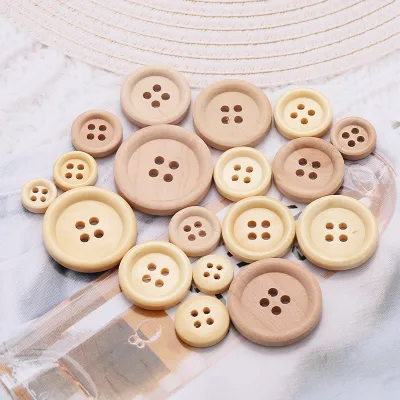
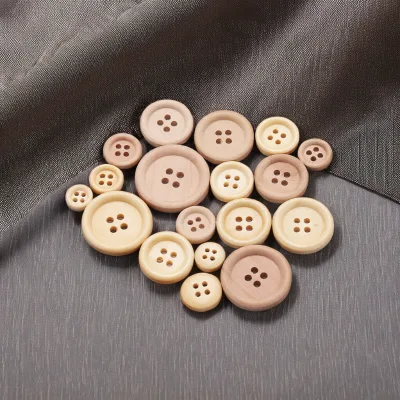
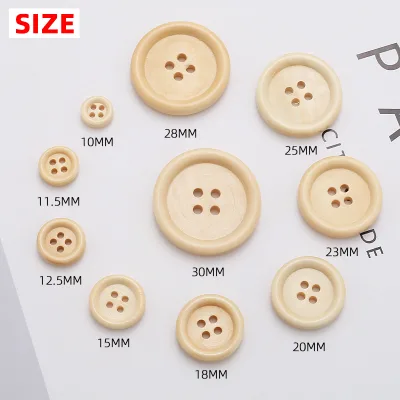
Procurement decisions should focus on verifying the specific button type, such as four-hole or two-hole configurations, and ensuring the flatback style aligns with the intended design. The observed product range includes various sizes from 10mm to 25mm, catering to different garment weights and styles. It is critical to confirm that the "flatback" designation is consistent across the specific model numbers selected, as some listings may offer standard round buttons without this specific back profile.
Product Scope and Observed Listing Signals
The current market listings reveal a diverse range of wooden button specifications, including model numbers like W-001, W-002, and W-004, which often feature engraved logos or natural wood finishes. Buyers should note that while many items are described as eco-friendly, the specific color options vary from natural wood tones to dyed variations like orange, coffee, and espresso. This variation necessitates a clear definition of the desired aesthetic before engaging with suppliers to ensure the color matching meets the brand's visual identity.
Commercial signals such as sample order lead times and minimum order quantities (MOQ) fluctuate significantly across different listings, with some suppliers supporting seven-day samples while others do not. The observed price range is low, suggesting high-volume production capabilities, yet the MOQ can extend up to 20,000 units for certain configurations. Procurement teams must carefully evaluate these commercial terms against their inventory needs, as the availability of stock is often listed as "not stock," requiring custom production runs for most orders.
Technical Specifications to Verify
Technical verification must begin with the precise measurement of button dimensions, as the observed data lists sizes ranging from 15mm to 25mm with specific hole configurations. Buyers should request physical samples to confirm the accuracy of the listed sizes, such as 18L (11.4mm) or 24L (15.3mm), and to validate the hole count, which appears as either two-hole or four-hole in different product lines. The single package size and gross weight also vary, indicating different packaging densities that will impact shipping calculations and storage requirements.
The finishing techniques and material composition are equally critical, with polishing being a common attribute for achieving a smooth surface. It is essential to verify that the "wooden" material is consistent throughout the batch and that the "flatback" style is uniform, as some listings may mix standard and flatback profiles. Additionally, the presence of features like washability and dry cleaning compatibility should be confirmed through physical testing, as these properties depend heavily on the specific varnish or coating applied during the manufacturing process.
Compliance and Safety Documentation
Compliance verification is paramount when sourcing wooden buttons, particularly regarding chemical safety and material purity. The observed data mentions certifications such as Oeko-Tex, which suggests a focus on textile safety, but buyers must explicitly request current test reports to confirm the absence of harmful substances like lead and nickel. The listed features often include "lead-free" and "nickel-free" claims, yet these assertions require independent laboratory validation to ensure they meet international safety standards for children's wear and sensitive skin applications.
Documentation should also cover the environmental claims associated with the "eco-friendly" designation, ensuring that the wood sourcing and finishing processes align with sustainability goals. While some listings mention "eco-friendly" as a feature, the specific standards or certifications backing this claim are not always detailed in the initial product descriptions. Buyers should demand proof of sustainable forestry practices or specific environmental management system certifications to substantiate these marketing claims and avoid greenwashing in their supply chain.
Cost Drivers and Commercial Terms
Cost structures for wooden buttons are influenced by the complexity of the finishing process, such as polishing and engraving, as well as the specific size and hole configuration selected. The observed price range is competitive, but the final unit cost will depend heavily on the order volume and the customization level required, such as specific color matching or logo engraving. Buyers should anticipate that custom orders, which are noted as available, may incur higher setup costs and longer lead times compared to standard stock items.
Commercial terms regarding packaging and shipping must be clarified early, as the data shows variations from polybat to carton packing, with different single package dimensions affecting freight costs. The lead time for sample orders is a critical factor, with some suppliers offering support within seven days while others do not support samples at all. Procurement teams should negotiate clear terms for bulk production lead times and ensure that the supplier can meet the required delivery schedule without compromising on the quality of the wooden material or the precision of the flatback finish.
Supplier Qualification and Quality Control
Supplier qualification should prioritize manufacturers with a proven track record in producing wooden buttons, specifically those located in established industrial hubs like Zhejiang, China. Buyers must assess the supplier's capacity to handle the observed range of sizes and styles, ensuring they can consistently produce the flatback profile and maintain the required hole alignment. The availability of customization services is a key indicator of a supplier's flexibility, but it must be balanced against their ability to maintain strict quality control during the polishing and finishing stages.
Quality control protocols must include rigorous inspection of the button surface for defects, such as uneven varnish or rough edges, which can affect the final garment appearance. Since the product features include washability and dry cleaning compatibility, suppliers should provide evidence of durability testing to ensure the buttons do not degrade or lose their finish after repeated cleaning cycles. Establishing a clear quality agreement that defines acceptable defect rates and specifies the inspection methods for both raw materials and finished goods is essential for maintaining brand reputation.
Long-Term Procurement Checks
Long-term procurement success relies on establishing a stable supply chain that can adapt to changing design requirements and volume fluctuations. Buyers should regularly review the supplier's ability to maintain consistent color matching and size accuracy over multiple production runs, as variations in wood grain or dye lots can impact the visual consistency of the final product. It is advisable to conduct periodic audits of the supplier's production facilities to ensure that the "eco-friendly" claims and safety standards remain valid and are not compromised by cost-cutting measures.
Continuous monitoring of market trends and material availability is necessary to mitigate risks associated with wood sourcing and supply chain disruptions. Buyers should maintain open communication channels with suppliers to stay informed about potential changes in lead times, packaging standards, or regulatory requirements that could affect the product. By fostering a collaborative relationship and setting clear expectations for quality and sustainability, procurement teams can ensure a reliable flow of high-quality wooden buttons that meet the evolving needs of their fashion and garment lines.
FAQs
What sizes are available for eco friendly flatback wooden buttons?
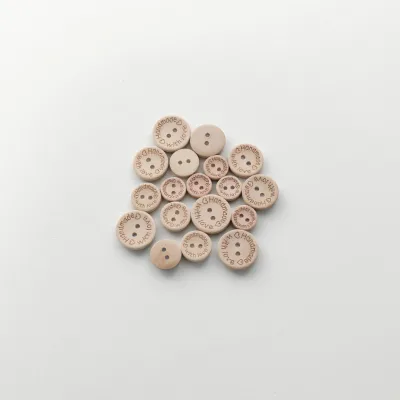
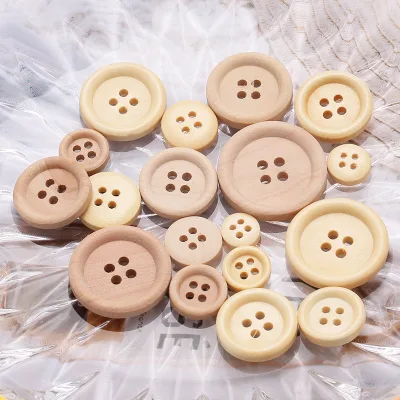
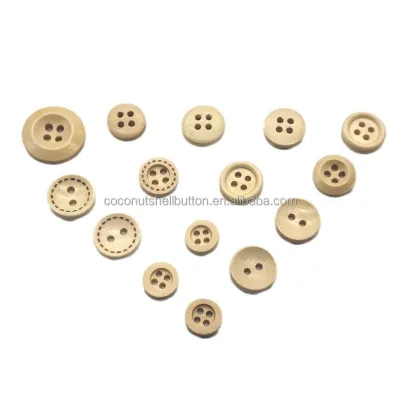
These buttons come in multiple sizes ranging from 10.2mm to 25.4mm. Options include 16L, 18L, 20L, 24L, 28L, 32L, 36L, and 40L. Specific models also offer 15mm, 20mm, and 25mm dimensions. Buyers can select the exact diameter required for their specific garment or bag application needs.
Can I get custom engraved logos on these wooden buttons?
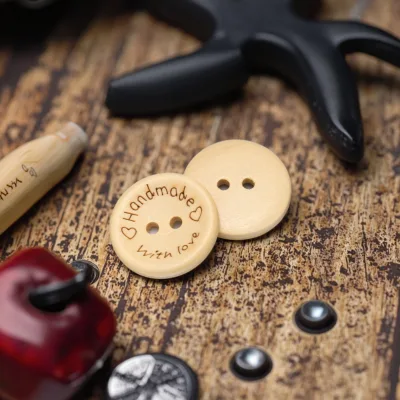
Yes, customization is available for these eco friendly flatback wooden buttons. The product features an engraved logo decoration option. This allows brands to add unique identifiers directly onto the wood surface. Buyers seeking personalized branding for their apparel or accessories can request this specific customization service from suppliers.
What certifications do these wooden buttons hold?
These buttons hold OEKO-TEX certification, ensuring they meet strict safety standards. The material is described as eco-friendly and lead-free. They are also nickel-free and washable. This certification provides assurance regarding chemical safety and environmental responsibility for buyers sourcing sustainable materials for their fashion products.
How long does it take to receive a sample order?
Sample order lead time is supported with a seven-day turnaround. Buyers can request samples to verify quality before placing bulk orders. This quick sample process helps in evaluating the button finish, hole configuration, and overall durability. It ensures that the product meets specific project requirements before committing to larger production volumes.
What button hole types are offered for these wooden items?
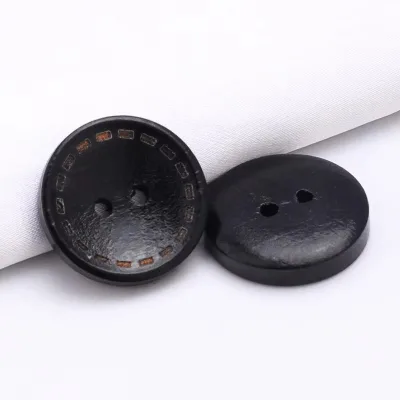
The collection includes both 2-hole and 4-hole button options. Some models feature a wide edge with dashed line details. The 4-hole variety is common for heavier fabrics, while 2-hole options suit lighter garments. Buyers can choose the hole configuration that best matches their sewing technique and fabric weight requirements.
Are these wooden buttons suitable for dry cleaning?
Yes, these buttons are suitable for dry cleaning. They are labeled as washable and feature a polished finish. The material is durable enough to withstand standard laundry processes. This makes them a practical choice for apparel that requires frequent cleaning, ensuring the buttons remain intact and maintain their appearance over time.